INTRODUCTION
Parturition induces certain enzymatic, hormonal and physiological alterations (Bazer and First, 1983) to support the dairy animal’s biological system, which undergoes tremendous changes, to ensure constant nutrient supply of macro and micro-nutrients for milk biosynthesis particularly in. However, during this critical period high yielding dairy animals experience negative energy balance (Bauman and Currie, 1980) due to insufficient availability of nutrients which not only adversely affect the milk production but also ovarian cyclicity and thus conception rate (Wathes et al., 2003; 2007). Reduced follicular growth is one of the major attributes of negative energy balance that leads to delayed onset of ovarian cyclicity with increased services per conception.
Under these circumstances, any nutritional tool that can enhance nutrients intake by animal would contribute significantly to escalate milk crop. This also ensures nutrients supply to initiate early ovarian activity. Many nutritional strategies have been documented to enhance nutrients intake with varying degree of success. Sufficient scientific literature indicates benefits of manipulation of primary nutrients to dissolve the impact of negative energy balance during early lactation in dairy animals. However, in last couple of decades, manipulation of micronutrients especially minerals got significant attention of dairy nutritionists to be used as a practical tool to enhance nutrients intake. In this context, difference between certain dietary cationic (Na+ K+) and anionic (Cl- S--) minerals usually referred as dietary cation anion difference (DCAD) revealed significant impact on nutrients uptake through manipulation of acid base status by diverting the biological reactions towards optimum animal productivity. Feeding high DCAD to exotic lactating dairy cows has been reported to improve energy status through enhanced dry matter up-take. Higher nutrients uptake has been reported to increase insulin like growth factor-I (IGF-I), a measure of body energy status, that acts as mediator between nutrition and reproductive performance (Jorritsma et al., 2003; Tibary, 2007). Improved energy status has been reported to increase ovarian cyclicity by improving growth and development of follicles (Beam and Butler, 1997).
The influence of DCAD on nutrients uptake, production and reproduction performance in exotic dairy cows has been extensively intensively studied. However, more research is needed before specific recommendations can be made regarding optimal DCAD for lactating dairy animals because an optimum DCAD value can be altered by numerous factors including breed, feed intake, season, potential of diet to produce acid and concentrations of other fixed ions etc. Furthermore, direct implementation of the scientific information obtained from the studies executed on exotic dairy cows to the lactating buffaloes, a distinct breed that differs in physiological aspects and reared under different feeding regime and environmental conditions would not be a scientific approach.
Keeping in view the desirable effects of DCAD, the present study was planned to investigate the potential of varying DCAD concentrations on nutrients intake, involution period and ovarian profile in early lactating buffaloes in winter.
MATERIALS AND METHODS
This experiment was conducted at Animal Nutrition Research Center, University of Agriculture, Faisalabad, Pakistan. Twelve early lactating Nili-Ravi buffaloes were used in the experiment. Four diets were formulated to have -11, +11, +22 and +33 mEq/100g DM DCAD and were represented by anionic (A), low cationic (LC), medium cationic (MC) and high cationic (HC) diets, respectively (Table 1). All diets were formulated to be iso-nitrogenous and iso-caloric using NRC (2001) values for energy and protein. Sodium bicarbonate and calcium chloride salts were used to attain the desired DCAD levels. Salts were first mixed in wheat bran and then with the rest of concentrate portion of the feed to mix it with 50% wheat straw of experimental ration. The DCAD was calculated by the following equation developed by Tucker et al. (1992)
(Na+ + K+) – (Cl-+ S--) -------- mEq/100g DM
These diets were allocated to buffaloes in a randomized complete block design (RCBD). The experiment was conducted during winter and lasted for five months (October to February). The diets were mixed daily and fed twice a day (07.00 a.m. and 07.00 p.m.) at ad libitum. Representative samples of feed were taken for analysis of dry matter (DM), crude protein (CP), neutral detergent fiber (NDF) and acid detergent fiber (ADF) according to their respective methods as described by AOAC (1990).
Post parturition rectal palpation was done on different random intervals to know the status of involution of uterus, uterus tonicity, ovarian cyclicity and ovarian follicles by following the procedure as described by Dawson (1975). Three conditions of uterus muscles were defined as flaccid, normal and tonic depending upon the presence of soft uterus tissues with no tone, soft uterus muscles with slight tone and slight hard with good tone in uterus muscles, respectively. Likewise, cyclic ovaries were defined by taking into account the presence of growing palpatable follicle, graffian follicle, and corpus luteum in its any form (i.e. regressed, mature etc.) while its reverse was true for non-cyclic ovaries. Palpation for corpus luteum was done according to the method used by Sharifuddin and Jainudeen (1983). Large follicles were defined as follicles that attained a diameter ≥10 mm and those with diameter < 10 mm were considered as small follicles. The data collected on nutrients intake, involution of uterus, uterus tonicity, ovarian cyclicity, ovarian follicles and corpus luteum were analyzed using general linear model procedure of SPSS (SPSS 10.0.1., 1999).
RESULTS AND DISCUSSION
Dry matter intake: There was a significant increase (P<0.05) in DMI as the DCAD level increased (Fig. A). Buffaloes fed on A, LC, MC and HC diets consumed 15.10, 16.22, 17.83 and 18.28 kg/d, respectively. The minimum (15.10 kg/d) and maximum (18.28 kg/d) DMI was recorded in buffaloes fed A and HC diets, respectively (Fig. A). Increased (P<0.05) crude protein (CP), neutral detergent fiber (NDF) and acid detergent fiber (ADF) were also observed as DCAD level increased in the diet (Fig.A). Similar findings have been reported by the Meta Analysis conducted by Hu and Murphy (2004). Increased nutrient intake with increased DCAD level by buffaloes was in concordance with Apper-Bossard et al. (2006). Reduced feed intake by buffaloes fed A diet might also be attributed to poor palatability of anionic salt (calcium chloride) used to attain required DCAD (-11 mEq/ 100 g DM) concentration. Increase DMI with increasing DCAD might be attributed to increased rumen pH at high DCAD level (Tucker et al., 1988). Furthermore, high DCAD diet tends to make the rumen pH alkaline which enhances the efficiency of ruminal cellulolytic microbes. Our findings were supported by Hu et al. (2007) who observed a linear relationship between DCAD and DMI. Other researchers also reported similar findings (Shahzad et al., 2008a,b; Sarwar et al., 2008; Sarwar et al., 2007 a,b,; Shahzad et al., 2007a,b; Oetzel and Barmore, 1993; Wang and Beede, 1992). However, results of our findings were not in agreement with Fredeen et al. (1988) who observed non-significant effect of DCAD on DMI. Roche et al. (2003) also reported reduced feed intake in early lactating cows fed high DCAD levels (21 to 127 mEq/100g DM). This contradiction of findings might be attributed to high very high range of DCAD used in their study.
Ovarian profile: Involution of uterus completed in 40 days in buffaloes fed HC diet while on 47 days post partum in buffaloes fed low A diet (Fig. 1 & 2). Higher uterus tonicity was noticed in buffaloes fed HC diet than those fed A and LC diets (Fig. 3 to 7). Ovarian cyclicity (Fig. 8 to 12) and follicles growth (Fig. 13 to 17) was also improved in buffaloes fed HC diet.
Early completion of uterus involution in buffaloes fed HC diet was due to increased energy status due to increased high DMI (Moore et al., 2000). A positive linear relationship between energy balance and ovarian activity is well documented (Butler, 2005). High-energy balance stimulates the ovarian activities (Pate, 1999). Increased DMI in buffaloes fed on high DCAD might have increased IGF-I (Moore et al., 2000) which has stimulatory effect on granulosa cells to produce more estradiol that in turn improves the ovarian activity (Spicer et al., 1990). The reduced ovarian efficiency at low DCAD diet might be associated with poor energy balance because of reduced DMI. Decreased feed consumption increases the occurrence of negative energy balance and postpartum anovulation (Canfield and Butler, 1991; Beam, 1996; Zurek, 1995). Furthermore, negative energy balance due to low nutrients intake causes less secretion of leutinizing hormone (Schillo, 1992) which results in reduced follicular growth and ovulation (Yoshimura et al., 1996).
Table 1. Ingredients and chemical composition of DCAD diets for early lactating buffaloes | Ingredient | A | Diets1 LC | MC | HC |
|---|
| Wheat straw | 50 | 50 | 50 | 50 |
| Corn grain cracked | 8.91 | 9.42 | 9.47 | 9.65 |
| Canola meal | 8.13 | 8.44 | 8.40 | 8.39 |
| Sunflower meal | 8.67 | 8.66 | 8.70 | 8.22 |
| Wheat bran | 8.70 | 8.75 | 8.97 | 8.50 |
| Molasses | 8.50 | 8.90 | 8.90 | 8.70 |
| Vegetable oil | 2.5 | 2.5 | 2.5 | 2.5 |
| Urea | 1.2 | 1.1 | 1.1 | 1.2 |
| DCP | 1.5 | 1.5 | 1.5 | 1.5 |
| Salt | 0.25 | 0.25 | 0.25 | 0.25 |
| NaHCO3 | --- | --- | 0.23 | 1.19 |
| CaCl2 | 1.74 | 0.48 | --- | --- |
| Chemical composition |
| NEL/kg | 1.43 | 1.46 | 1.46 | 1.45 |
| CP | 14.1 | 14.1 | 14.1 | 14.1 |
| NDF | 47 | 47.2 | 47.3 | 46.9 |
| ADF | 30.6 | 30.7 | 30.8 | 30.6 |
| Ca | 1.28 | 0.86 | 0.69 | 0.69 |
| P | 0.65 | 0.66 | 0.66 | 0.65 |
| Mg | 0.27 | 0.27 | 0.27 | 0.27 |
| Na | 0.19 | 0.19 | 0.26 | 0.51 |
| K | 1.51 | 1.55 | 1.54 | 1.54 |
| Cl | 1.55 | 0.78 | 0.49 | 0.49 |
| S | 0.23 | 0.24 | 0.24 | 0.24 |
| DCAD2 | -11 | +11 mEq/100g, DM | +22 | +33 |
1A, LC, MC and HC stand for anionic, low cationic, medium cationic and high cationic 2 (Na+ + K+) – (Cl-+ S--) mEq/100g DM
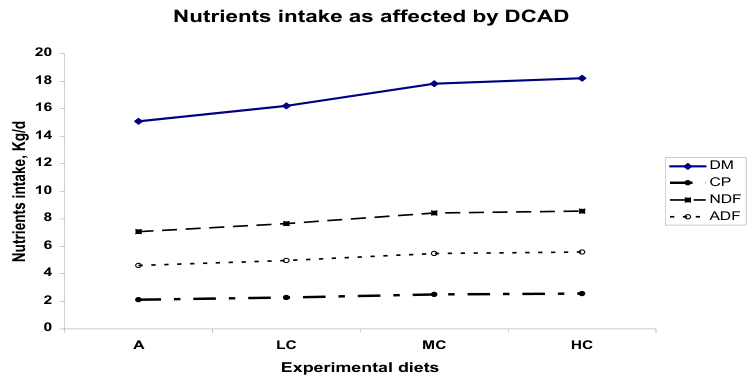
Fig. A. Involution of uterus
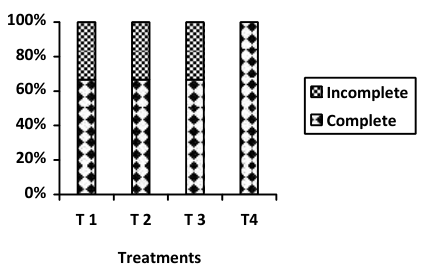
Fig 1: Involution of uterus 40 days postpartum
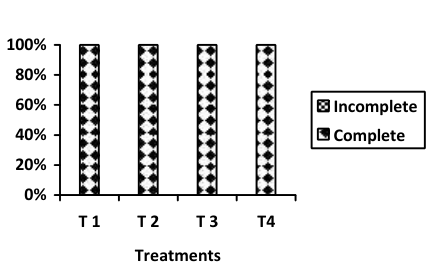
Fig 2: Involution of uterus 54 days postpartum
Uterus tonicity
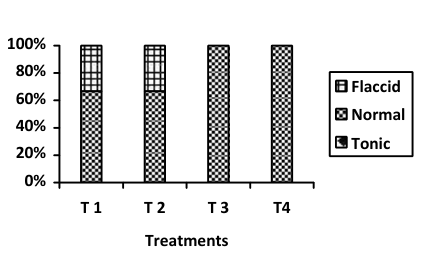
Fig 3: Uterus tonicity 40 dayspostpartum
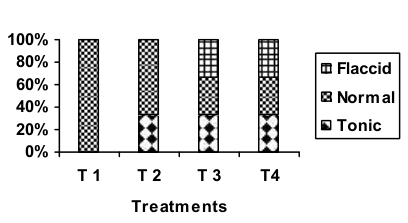
Fig 5: Uterus tonicity 68 days postpartum
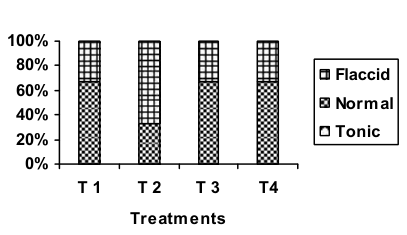
Fig 7: Uterus tonicity 127 dayspostpartum
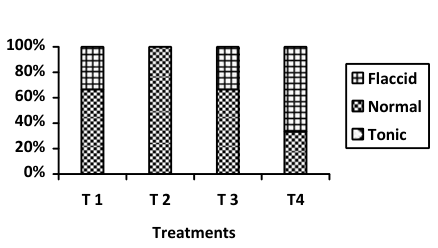
Fig 4: Uterus tonicity 54 dayspostpartum
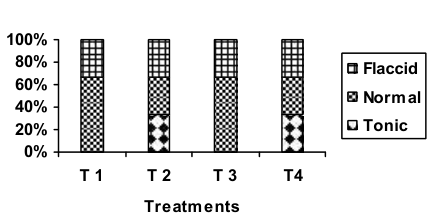
Fig 6: Uterus tonicity 97 days postpartum
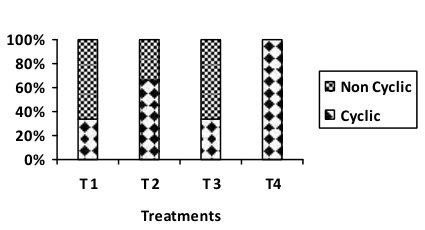
Fig 8: Ovarian cyclicity 40 days postpartum
Ovarian cyclicity
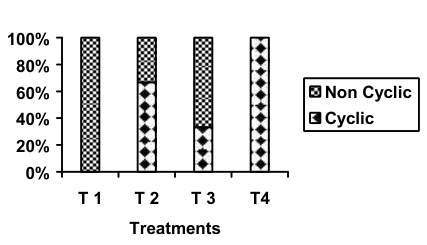
Fig 9: Ovarian cyclicity 54 days postpartum
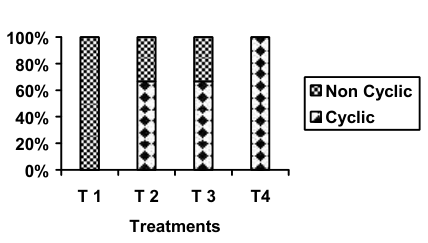
Fig 11: Ovarian cyclicity 97 days postpartum
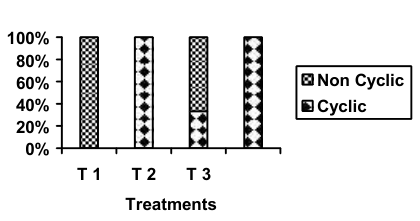
Fig 10: Ovarian cyclicity 68 days postpartum
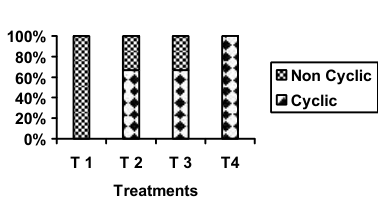
Fig 12: Ovarian cyclicity 127 days postpartum
Follicles
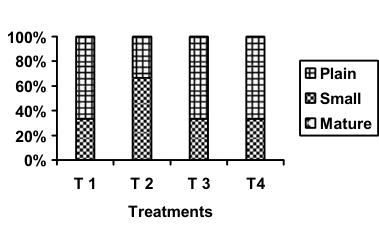
Fig 13: Follicles picture 40 dayspostpartum
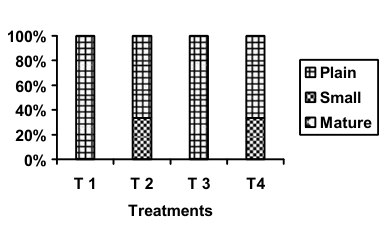
Fig 15: Follicles picture 68 day spostpartum
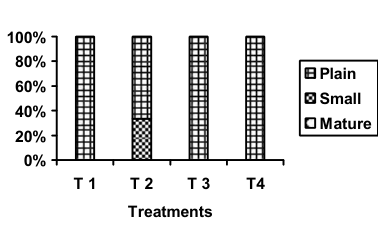
Fig 14: Follicles picture 54 dayspostpartum
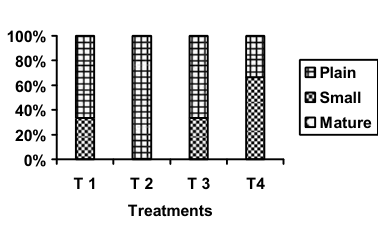
Fig 16: Follicles picture 97 days postpartum
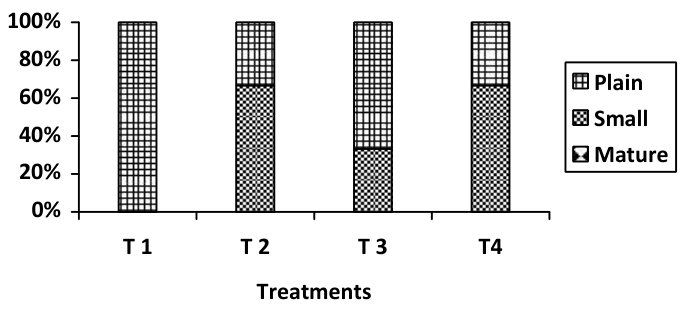
Fig 17: Follicles picture 127 days postpartum
In conclusion, increasing dietary anions can enhance the nutrients intake in early lactating buffaloes during winter. The findings confirmed that the ratio of fixed cation and anion in the diet can be used to improve ovarian activity and follicle growth of dairy buffaloes during winter season. However, more research involving large number of animals with wide DCAD range with different cationic salts is needed before making any recommendation to buffalo farming community
REFERENCES
Apper, B., E. Peyraud., J. L. Faverdin, and P. Meschy, (2006). Changing dietary cation anion difference for dairy cows fed with two contrasting levels of concentrate in diets. J. Dairy Sci., 89: 749–760.
A.O.A.C., (1990). Official Methods of Analysis (15th Ed.) Arlington, Virginia, USA.
Bauman, D. E. and W. B. Currie, (1980). Partitioning of nutrients during pregnancy and lactation: a review of mechanisms involving homeostasis and homeorhesis. J. Dairy Sci., 63: 1514–1529.
Bazer, F. W. and N. L. First, (1983). Pregnancy and parturition. J. Anim. Sci., 57: 425-460.
Beam, S. W. and W. R. Butler (1997). Energy balance and ovarian follicle development prior to first ovulation postpartum in dairy cows receiving three levels of dietary fat. Biol. of Reprod., 56: 133–42.
Beam, S. W., (1996). Energy balance, follicular growth and first ovulation in postpartum dairy cows. J. Dairy Sci., 79:127-132.
Butler, W. R., (2005). Nutrition, negative energy balance and fertility in the postpartum dairy cow. Cattle Pract., 13:13–18.
Canfield, R. W. and R. W. Butler, (1991). Energy balance, first ovulationand the effects of naloxone on LH secretion in early post partum dairy cows. J. Anim. Sci., 69:740-746.
Dawson, F. L. M. (1975). Accuracy of rectal palpation in the diagnosis of ovarian function in the cow. Vet. Rec., 96: 218-220.
Fredeen, A. H., E. J. Depeters, and R. L. Baldwin (1988). Characterization of acid-base disturbances and effects on calcium and phosphorus balances of dietary fixed ions in pregnant or lactating does. J. Anim. Sci., 66:159-165.
Hu, W., L. Kung and M. R. Murphy (2007). Relationships between dry matter intake and acid–base status of lactating dairy cows as manipulated by dietary cation–anion difference. Anim. Feed Sci. and Technol., 136:216–225.
Hu, W. and M. R. Murphy (2004). Dietary Cation-Anion Difference Effects on Performance and Acid-Base Status of Lactating Dairy Cows: A Meta-Analysis. J Dairy Sci., 87: 2222-2229.
Jorritsma, R., T. Wensing, T. Kruip, P. Vos and J. Noordhuizen (2003). Metabolic changes in early lactation and impaired reproductive performance in dairy cows. Vet. Res., 34:11–26.
Moore, S. J., M. J. Vandehaar, B. K. Sharma, T. E. Pilbeam, D. K. Beede, H. F. Bucholtz, J. S. Liesman, R. L. Horst and J. P. Goff (2000). Effects of Altering Dietary Cation-Anion Difference on Calcium and Energy Metabolism in Prepartum Cows. J. Dairy Sci., 83:2095– 2104.
Oetzel, G. R. and J. A. Barmore, (1993). lntake of a concentrate mixture containing various anionic salts fed to pregnant, nonlactating dairy cows. J Dairy Sci., 76:1617-1623.
Pate. J. L., (1999). Effects of energy balance on ovarian function.Tristate-State Dairy Nutrition Conference. April 20-21.Ohio, USA.
Roche, J. R., D. Dalley, P. Moate, C. Grainger, M. Rath, and F. O. Mara (2003). Dietary cation -anion difference and the health and production of pasture-fed dairy cows 2.non-lactating prepartum cows. J. Dairy Sci., 86: 979-986.
Sarwar, M., M. A. Shahzad and M. Nisa, (2007a). Influence of varying level of sodium bicarbonate on milk yield and its composition in early lactating Nili Ravi buffaloes. Asian Aust. J. Anim. Sci., 20:1858-1864.
Sarwar, M., M. A. Shahzad, and M. Nisa, (2008). Nutrient intake, acid base status and growth performance of growing Barbari goats fed varying level of dietary cation anion difference. The13th Animal Science Congress of the Asian Australasian Association of Animal Production Societies. Sept.22-26, Hanoi, Vietnam.
Sarwar, M., M. A. Shahzad and M. Nisa, (2007b). Nutrients intake, acid base status and growth performance of growing thalli lambs fed varying level of dietary cation anion difference. Asian Aust. J. Anim. Sci., 20:1713-1720.
Schillo, K. K., (1992). Effects of dietary energy on control of leutinizing hormone secretion in cattle and sheep. J. Anim. Sci., 70: 1271-1282.
Shahzad, M. A., M. Sarwar, and M. Nisa (2008a). Influence of varying dietary cation anion difference on serum minerals balance and hypocalcaemia in Nili Ravi buffaloes. Live. Sci., 113:52-61.
Shahzad, M. A, M. Sarwar and M. Nisa, (2008b). Influence of altering dietary cation anion difference on milk yield and its composition of early lactating Nili Ravi buffaloes in summer. Live. Sci., 113: 133-143.
Shahzad, M. A, M. Sarwar, and M. Nisa, (2007a). Nutrient intake, acid base status and growth performance of growing buffalo male calves fed varying level of dietary cation anion difference. Live. Sci., 111:136-143.
Shahzad, M. A., M. Sarwar, and M. Nisa, (2007b). Effect of dietary cation anion difference on buffalo performance during summer. Proceedings of the 8th World Buffalo Congress, Caserta, October 19-22, Italy, Italian J. Anim. Sci. 6: (Suppl. 2), 491-494.
Sharifuddin, W. and M. R. Jainudeen, (1983). The accuracy of rectal diagnosis of corpora lutea in water buffalo (Bubalus bubalis). Anim. Reprod. Sci., 6:185—189
Spicer, L. J., W. W. Thatcher, and J. H. Clark, (1990). Insulin-like growth factor-I in dairy cows: Relationship among energy balance, body condition, ovarian activity, and estrous behavior. J. Dairy Sci., 73: 929-937.
SPSS, (1999). SPSS use’s guide: Release 10.0.1 edition. SPSS Inc.
Tibary, A., (2007). Breeding soundness evaluation and subfertility in female llamas and alpacas. In: Youngquist R, Threlfall W, editors. Current therapy in large animal theriogenology. 2nd ed., St. Louis, MO: Saunders/Elsevier; p. 878–83.
Tucker, W. B., G. A. Harrison, and R. W. Hemken, (1988). Influence of dietary cation-anion balance on milk, blood. urine, and rumen fluid in lactating dairy cattle. J. Dairy Sci., 71:346.
Tucker, W. B., J. F. Hogue, D. F. Waterman, T. S. Swenson, Z. Xin, R. W. Hemken, J. A. Jackson, G. D. Adams and L. J. Spicer (1992). Sulfur should be included when calculating the dietary cation-anion balance of diets for lactating dairy cows. Pages 141–150 in Anim. Sci. Res. Rep., Oklahoma Res. Stat., Oklahoma City, OK.
Wang, C. and D. K. Beede (1992). Effects of diet magnesium on acid-base status and calcium metabolism of dry cows fed acidogenic salts. J. Dairy Sci., 75: 829-836.
Wathes, D. C., M. Fenwick, Z. Cheng, N. Bourne, S. Llewellyn, D. G. Morris, D. Kenny, J. Murphy and R. Fitzpatrick (2007). Influence of negative energy balance on cyclicity and fertility in the high producing dairy cow. Therio., 68:232–241.
Wathes, D. C., V. J. Taylor, Z. Cheng, and G. E. Mann, (2003). Follicle growth, corpus luteum function and their effects on embryo development in the postpartum cow. Reprod., Suppl. 61:219–237.
Yoshimura, Y., N. Aoki, K. Sueoka, K. Miyazaki, N. Kuji, M. Tanaka and T. Kobayashi (1996). Interactions between Insulin-like Growth Factor-I (IGF-I) and the renin-angiotensin system in follicular growth and ovulation. J. Clin. Invest., 98: 308–316.
Zurck, E., G. R. Foxcroft and J. J. Kennelly (1995). Metabolic status and interval to first ovulation in postpartum dairy cows. J. Dairy Sci., 7: 213-219.